
26 Apr
DMCC plans to launch cacao centre in Dubai
The Dubai Multi Commodities Centre will transform Dubai into an international cacao trade hub
The Dubai Multi Commodities Centre (DMCC) on Sunday announced plans to launch a cacao centre that aims to make Dubai a global hub for trade in the bean, the Dubai government’s media office said on Sunday.
The world’s flagship Free Zone and Government of Dubai Authority on commodities trade and enterprise said it would initially incubate a select range of cacao services starting in mid-2021 within its Coffee Centre in Jebel Ali free zone. The new initiative will transform the emirate into an international trade hub for the in-demand superfood as part of its mid to long-term development strategy, it said.
“The DMCC Cacao Centre represents the next phase of our growth strategy and will see us transform Dubai into a global hub for the cacao trade,” said Ahmed bin Sulayem, executive chairman and chief executive officer of DMCC.
In contact with industry players
DMCC is in contact with a range of cacao industry players, including Blue Stripes Urban Cacao and stakeholders across West Africa and South America, in order to better understand the needs of the market and how Dubai can play a central role in supporting its sustainable growth, according to the media office.
Last July, DMCC said it plans to expand its Coffee Centre, which opened in 2019, as well as its Tea Centre, which launched in 2005. The coffee centre offers infrastructure and services for green bean storage, processing, roasting, packing and delivery.
“Few thought the DMCC Tea Centre and DMCC Coffee Centre would reach the levels of trade we see today, so by utilising our expertise and experience gained from developing these commodities, we see cacao and its high-growth potential as a logical next step. Whilst connecting producers with consumers will be an important part of our model, we will ensure DMCC Cacao Centre follows our high-level approach toward sustainability, which prioritises driving value across the entire supply chain,” Bin Sulayem.
Global demand for the superfood cacao — shell, fruit and beans — is rising and considered one of nature’s highest sources of magnesium and iron, as well as antioxidants and natural cacao butter. Cacao is also linked to holistic wellness and is used for physical, mental and emotional balance.
Link:https://www.khaleejtimes.com/business/local/dmcc-plans-to-launch-cacao-centre-in-dubai

17 Apr
Oman joins Gulf neighbours as it implements 5% VAT
Sultanate follows Saudi Arabia, the UAE and Bahrain as it looks to boost government revenues after taking big pandemic hit
Oman on Friday implemented a 5 percent value added tax (VAT) which is expected to boost government revenues by up to OR400 million ($1 billion).
The move comes after a six-month transitional period for the application of the tax on most goods and services in addition to goods imported into the sultanate, according to Oman News Agency.
It reported that the Oman government has expanded the list of goods subject to zero-rate VAT from 93 basic food commodities to 488 as part of a package of social protection initiatives approved by Sultan Haitham.
Food commodities subject to zero-rate VAT include vegetables, fruits, legumes, grains, dates, spices, oils, fish, red meat and poultry while services such as education, healthcare and financial services will be exempt from VAT.
All six Gulf countries agreed to introduce a 5 percent VAT in 2018 after a slump in oil prices hit their revenues. Saudi Arabia, the UAE and Bahrain have already introduced the tax.
In November, it was reported that cash-strapped Oman plans to take a step unheard of in the Gulf region – it’s going to start taxing the income of wealthy individuals beginning in 2022.
The move is part of a broader program to tackle a budget deficit that’s ballooned due to low oil prices and the coronavirus pandemic.
The sultanate’s finances were in trouble even before the breakout of the pandemic and a crash in oil prices. It is now on course to rack up the steepest budget deficit since 2016 at nearly 19 percent of gross domestic product, according to the International Monetary Fund.
S&P estimates Oman’s gross government debt will rise to about 84 percent of GDP by end-2020 from 60 percent in 2019, while government-related enterprises debt will reach 43 percent of GDP from 30 percent during the same period.
Link:https://www.arabianbusiness.com/wealth/462133-oman-joins-gulf-neighbours-as-it-implements-5-vat
11 Apr
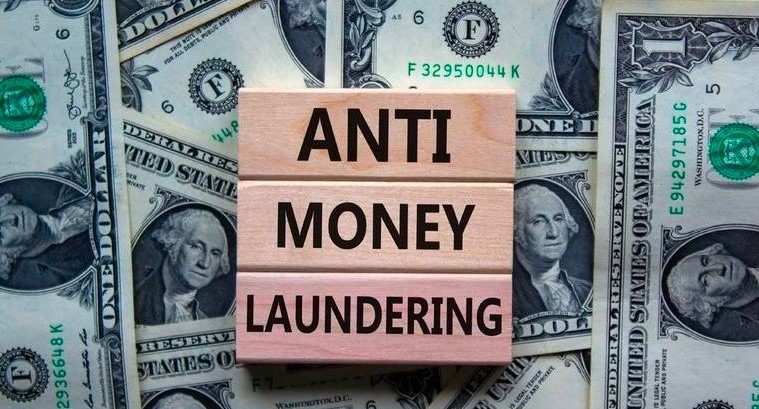
UAE anti-money laundering: Registration for non-financial entities, individuals extended until April 30
Decision due to the large numbers of companies in the sector seeking to register in the last days of the previous deadline
The UAE Ministry of Economy announced the extension of the deadline granted to companies in the “specific non-financial business and professions” sector to register in government regulations approved for countering money laundering and combating the financing of terrorism until the end of April.
The decision is due to the large numbers of companies in the sector seeking to register in the last days of the previous deadline, which expired on March 31, taking into account the conditions of companies and the business sector in general during the period of the Covid-19 pandemic.
The ministry explained that the targeted companies, which include brokers and real estate agents, auditors, dealers of precious metals and gemstones, and corporate service providers, are required to undergo registration, which is mandatory and for free, before the end of the new deadline, in the goAML system and the automatic reporting system for sanctions lists and take the necessary measures to achieve complinace with the requirements of Federal Law No.20 of 2018.
It called on the concerned companies to take advantage of the new period for registration to avoid the penalties and fines stipulated in the law, which will be applied from May 1. Fines start from Dh50,000 to reach Dh5 million, while the penalties for companies that fail to register include the suspension of their licences or their closure.
Abdullah Sultan Al Fan Al Shamsi, Assistant Under-secretary for the supervision and follow-up sector at the Ministry of Economy, said: “Due to the increased level of response in the business sector and non-financial professions identified for mandatory registration, the Ministry of Economy decided, in coordination with its partners from the relevant government agencies, to extend the grace period granted to the target companies and give them more time until the end of the current month to complete the registration process and begin taking the necessary legal measures to comply with the requirements of the law and its implementing regulations.”
“The goal is not to impose violations, but to ensure compliance, and the decision comes with the aim of taking into account the conditions that various companies and business sectors are going through as a result of the Covid-19 pandemic and its repercussions on a global scale, stressing that the Ministry of Economy is keen to build a solid and positive relationship with the private sector based on the principle of partnership.”
Al Shamsi emphasised that the designated non-financial business and professions sector is a major partner in the UAE’s efforts to combat money laundering and has a pivotal role in supporting government efforts to build a safe and stable economic environment away from money laundering and terrorist financing crimes.
He pointed out that many of the companies concerned in the sector in its four categories showed a high level of awareness and commitment and registered, but there is still a percentage of companies that have not registered in the two systems. Extending the grace period to gives an additional opportunity to these companies to rush to register, avoid violations and protect their business and investments from money laundering risks by complying with government control requirements.
Safia Al Safi, director of the Anti-Money Laundering Department at the Ministry of Economy, said that extending the grace period without applying any violations before April 30 allows companies fulfill their obligations and initiate registration. The Ministry of Economy received more than 6,000 calls and enquiries during March.
Source:https://www.khaleejtimes.com/business/banking-finance/uae-anti-money-laundering-registration-for-non-financial-entities-individuals-extended-until-april-30

04 Apr
Dubai Economy and Amazon join hands to support start-ups in digital economy
Amazon will curate a dedicated storefront on Amazon.ae to showcase products available from DED Trader license holders
The Business Registration and Licensing (BRL) sector in Dubai Economy and Amazon have launched a new programme to support DED Trader license holders by providing interactive e-Learning content to help them thrive in the digital economy.
The new programme is part of the cooperation between Dubai Economy and Amazon to support DED Trader license holders interested in making their products available to more customers and growing their businesses online. The programme will offer access to the Amazon Seller University, which provides a series of training videos and resources that will help participant’s master key tools and applications to build their brand and expand their businesses to reach millions of customers.
“Dubai Economy strives to deliver solutions that contribute to enhance the ease of doing business in Dubai and expanding growth, in addition to maintaining a sustainable economy that reflects the emirate’s position as a global economic destination,” said Omar Al Mehairi, director of Development and Follow-up Division in BRL sector.
“The continuous partnerships between the governmental and private sector will raise the level of efficiency and provide a seamless service environment for the business community as per highest international standards. Dubai Economy aims to accelerate the implementation and growth of e-commerce initiatives and promote innovation and technology integration within the local business community,” added Al Mehairi.
Ronaldo Mouchawar, VP of Amazon Middle East and North Africa (Mena), said: “At Amazon, supporting SMEs is a fundamental part of our work and an extension of our customer-centric culture. Third-party sellers, most of which are SMEs, account for more than half of everything sold across Amazon stores globally. We have faith in the potential and capabilities of start-ups in Dubai, and through such collaborations, we aspire to accelerate their entrepreneurial journey with all the tools and retail expertise we have to offer.”
Amazon will curate a dedicated storefront on Amazon.ae to showcase products available from DED Trader license holders. Once the businesses are registered to sell on Amazon.ae, they will have the opportunity to access Amazon Account Managers who will work closely with them to offer strategic advice and insights to help them sustain and grow their business.
The Account Managers will also support the start-ups with advice on operational aspects such as listing creations and how to gain visibility on their products. They will offer advice on key areas such as fulfilment and inventory, merchandising and advertising, and ensure start-ups are up to date on the latest programmes that will help fast-track their growth on Amazon.ae.
Amazon.ae has progressively launched tools to help local businesses, including the Amazon Seller Mobile App, which allows selling partners to conduct business with more speed, ease, and flexibility.
DED Trader is issued by Dubai Economy to license freelancers in their place of residence in Dubai as well as business activities that operate online or on social networking sites. DED Trader, which is issued electronically through invest.dubai.ae, aims to guide traders towards the right path to start and enter the business world.
Source:https://www.khaleejtimes.com/business/local/dubai-economy-and-amazon-join-hands-to-support-start-ups-in-digital-economy
